Hot Rolled Sheet Metal
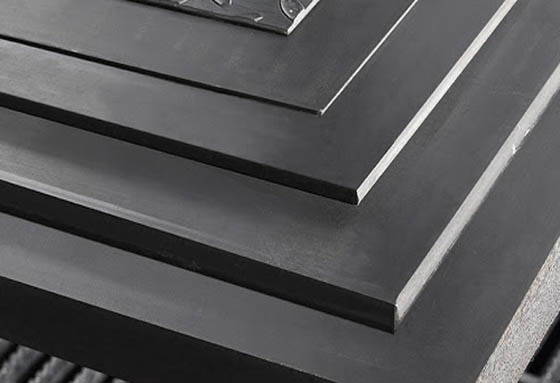
Sheet metal is a material made of iron that has been processed into thin, flat sheets. It is produced by passing thick metal slabs through rollers, a process known as rolling. These sheets come in various thicknesses and are cut into standard sizes or strips.
In addition to being used in various wheeled vehicle covers, ship hulls, and many technological applications, one of the most significant uses of sheet metal is in electrical equipment. The core of electric motors’ rotor and stator windings, as well as transformer windings, consists of silicon steel laminations. The primary advantage of silicon steel is that the silicon content minimizes magnetic losses, thereby increasing efficiency. Furthermore, the addition of silicon stabilizes the magnetic properties of the iron, preventing changes over time. During rolling, the alignment of sheet metal crystals in a specific direction improves its magnetic quality, reducing the amount of sheet metal required for a given magnetic circuit.
Abbreviation Explanations
RKK : Untrimmed edge coil
R : Trimmed edge coil
TR : Tempered, trimmed edge coil
TRKK : Tempered, untrimmed edge coil
HCKK : Suitable for cold rolling, untrimmed edge coil
TCKK : Suitable for cold rolling, coil preparation completed, tempered, untrimmed edge coil
BCKK : Suitable for cold rolling, coil preparation completed, untrimmed edge coil
RP : Pickled, trimmed edge coil
RPKK : Pickled, untrimmed edge coil
MRKK : Patterned, untrimmed edge coil
RD : Slit, trimmed edge coil
RPD : Pickled, slit, trimmed edge coil
THRU : Tempered, sheet cut from trimmed edge coil
HRU : Sheet cut from trimmed edge coil
HRUKK : Sheet cut from untrimmed edge coil
HRP : Pickled, sheet cut from trimmed edge coil
LP : Pickled, plate cut from trimmed edge coil
LR : Plate cut from trimmed edge coil
LRKK : Plate cut from untrimmed edge coil
L : Flat plate with trimmed edges
LKK : Flat plate with untrimmed edges
DS : Casting slab
Cold Rolled Sheet Metal Products
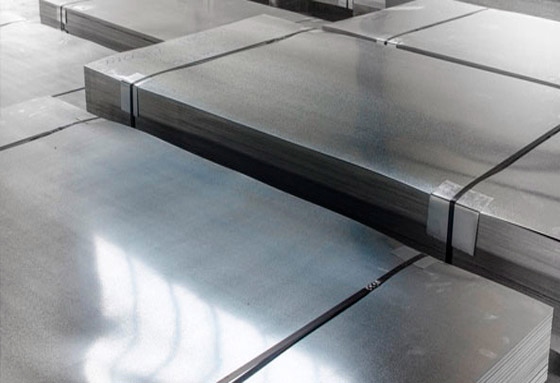
Sheet metal is a material made of iron that has been processed into thin, flat sheets. It is produced by passing thick metal slabs through rollers, a process known as rolling. After the initial hot rolling process, cold rolling is performed to achieve a smoother surface. These sheets come in various thicknesses and are cut into standard sizes or strips.
In addition to being used in various wheeled vehicle covers, ship hulls, and many technological applications, one of the most significant uses of sheet metal is in electrical equipment. The core of electric motors’ rotor and stator windings, as well as transformer windings, consists of silicon steel laminations. The primary advantage of silicon steel is that the silicon content minimizes magnetic losses, thereby increasing efficiency. Furthermore, the addition of silicon stabilizes the magnetic properties of the iron, preventing changes over time. During rolling, the alignment of sheet metal crystals in a specific direction improves its magnetic quality, reducing the amount of sheet metal required for a given magnetic circuit.
Carbon steel, known for its low durability and affordability, is one of the three most commonly preferred raw materials in the manufacturing of perforated metal products.
Types of DKP Steel Based on Production Method
During production, steel undergoes rolling through cylinders to achieve the required thickness, either in coil or sheet form. The process can be carried out at high or low temperatures, determining the type of steel produced. Below are the different varieties of DKP steel:
The cost, quality, and mechanical properties of this raw material vary depending on the manufacturing method. Hot rolling is generally more affordable and is available for sheets and coils with thicknesses of 1.5 mm and above. In contrast, cold rolling is used to achieve more precise tolerances and higher surface quality, with sheets typically available in thicknesses between 0.4 mm and 1.5 mm.
Due to its low wear resistance, DKP steel is either used with a protective coating or in applications where wear is not a concern. In coating applications, the material can be painted or powder-coated after perforation, ensuring complete protection. Additionally, it can be produced with zinc- and aluminum-based coatings (e.g., aluminized, hot-dip galvanized, annealed galvanized, etc.) and supplied accordingly. However, for pre-coated materials, perforation may compromise the protective layer in affected areas.
Types of Commercial Steel
(Hot Rolled, Cold Rolled, Galvanized, Aluminized)
Low-cost steel possesses good stamping, drawing, and welding properties. However, it has moderate durability and is more prone to metal fatigue, wear, and deterioration. To minimize the effects of metal fatigue, drawing steel is recommended.
Drawing Steel (Hot Rolled, Cold Rolled)
This type of steel has improved mechanical properties suitable for stamping and forming, making it superior to commercial steel in terms of production performance.
Deep Drawing Steel (Galvanized)
This is a variant of commercial steel with lower strength and higher elongation properties. It is recommended in applications where commercial steel might crack or weaken due to tensile stress during the forming process.
DKP Sheet Metal Abbreviation Explanations
CR : Batch annealed coil
CRK : Batch annealed, trimmed edge coil
CRD : Batch annealed, slit coil
CRS : Batch annealed, sheet cut from coil
CRSK : Batch annealed, sheet produced from trimmed edge coil
CCR : Continuously annealed coil
CCRK : Continuously annealed, trimmed edge coil
CCRD : Continuously annealed, slit coil
CCRS : Continuously annealed, sheet produced from trimmed edge coil
CCRSK : Continuously annealed, sheet cut from coil
CRF : Unannealed, produced in the 1st cold rolling mill
CCRF : Unannealed, produced in the 2nd cold rolling mill
CRFS : Unannealed, sheet cut from coil produced in the 1st cold rolling mill
CCRFS : Unannealed, sheet cut from coil produced in the 2nd cold rolling mill
HRP (Pickled Hot Rolled Steel)
HRP refers to hot-rolled coil sheets that have been cleaned using HCL (hydrochloric acid).
During the pickling process, the surface of the steel is cleaned, and upon request, it can be oiled to prevent oxidation. The material is supplied in either coil or cut-to-length sheet form according to customer requirements.
The primary function of the pickling line is to produce raw material for cold rolling mills.
Specifications:
Thickness: 1.50 – 4.50 mm
Maximum Width: 1,600 mm
Maximum Coil Weight: 25 tons